



Moving Truck Weight vs. Size: What Really Matters?

When choosing a moving truck, most people start with one question: Will everything fit?
Cargo space is important. You need enough room for your furniture, boxes, appliances and everything else you plan to move. But space is only one part of choosing a truck. You also need to think about weight.
More cargo space does not always mean more weight capacity. A larger moving truck may fit more furniture and boxes, but it can still reach its weight limit before it looks full.
Understanding the difference between space and weight can help you choose the right moving truck and avoid problems on moving day.
Cargo Space, Weight Capacity and GVW Explained
Cargo space is the amount of room inside the truck. It is usually measured in cubic feet and helps you understand whether your belongings will fit.
Weight capacity tells you how much the truck can safely carry. This includes the items you load into the truck, including people, fuel and other cargo.
You may also see the term gross vehicle weight, or GVW. This refers to the total weight of the loaded truck, including the truck itself. Every truck has a maximum GVW, and once loaded, it should not exceed that limit.
A real-world truck size example
For example, a 26 foot moving truck may offer about 500 cubic feet more cargo space than a 22 foot truck. That gives movers more room for furniture, boxes and bulky items.
But if both trucks have the same maximum GVW, the larger truck provides more space but not more total weight capacity.
Because the larger truck itself weighs more, it may actually have less available capacity for your belongings.
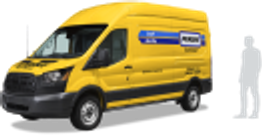
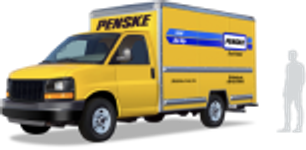
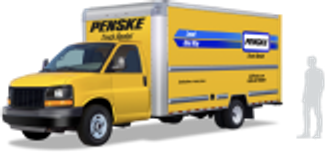
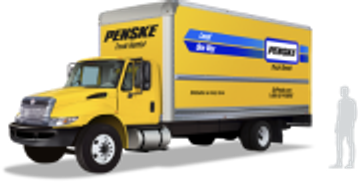
| Specification | Cargo Van | 12' Truck | 16' Truck | 22' Truck | 26' Truck |
|---|---|---|---|---|---|
| Fuel Capacity | Up to 25 gal. | Up to 33 gal. | Up to 33 gal. | Up to 70 gal. | Up to 70 gal. |
| Miles per Gallon | Up to 12 mpg | Up to 12 mpg | Up to 12 mpg | Up to 13 mpg | Up to 13 mpg |
| Cargo Space Measurements | 11'11" L, 4'6" W, 6'9" H | 12' L, 6'6" W, 6'1" H | 16' L, 7'7" W, 6'6" H | 21'11" L, 8'1" W, 8'1" H | 25'11" L, 8'1" W, 8'1" H |
| Square Feet | 53 sq. ft. | 78 sq. ft. | 120 sq. ft. | 164 sq. ft. | 192 sq. ft. |
| Cubic Space | 404 cu. ft. | 450 cu. ft. | 800 cu. ft. | 1,200 cu. ft. | 1,700 cu. ft. |
| Load Capacity | 3,500 lbs. | 3,100 lbs. | 4,300 lbs. | 10,000 lbs. | 10,000 lbs. |
| Gross Vehicle Weight Rating (GVWR) | Up to 9,000 lbs. | Up to 9,900 lbs. | Up to 12,500 lbs. | Up to 26,000 lbs. | Up to 26,000 lbs. |
Fuel mileage figures are estimates and may vary based on load, terrain, weather and driving speed. Truck specifications may vary by make, model and year.
Heavy Household Items Can Add Up Quickly
It can be hard to estimate how much an entire household weighs. Large pieces of furniture may look like the biggest concern, but smaller, denser items can add substantial weight without taking up much room.
Keep weight in mind when moving things like:
- Books
- Tools
- Appliances
- Exercise equipment and weights
- Solid wood furniture
- Garage and basement storage
- Office furniture
- Landscaping or home improvement materials
For example, several small boxes of books may take up less space than a chair or mattress but weigh much more. The truck may still look like it has room, even if it's close to or over its weight limit.
Why Overloading a Moving Truck Is Risky
Moving truck weight limits are designed to support safe driving. Exceeding them may affect how the vehicle drives and stops.
An overloaded truck may:
- Take longer to stop
- Be harder to steer or control
- Put extra stress on the brakes, tires and suspension
- Feel less stable on hills and turns
- Cause items to shift during the drive
- Be harder to maneuver in traffic
Too much weight can be particularly hard to manage during sudden stops, sharp turns, steep hills or bad weather.
Do I Need To Stop at a Weigh Station in a Moving Truck?
Weigh station requirements vary by state and may depend on factors such as vehicle type, registered weight or actual weight. Before traveling, review the requirements for each state on your route using the appropriate state transportation, motor vehicle or law enforcement website.
While driving, follow all posted signs and instructions. If you have questions about a specific state’s requirements, contact the appropriate state agency before your trip.
How To Load a Moving Truck
Staying within the truck’s weight capacity matters, but so does weight distribution. A truck can feel unbalanced if you place too much weight in one area.
As a general rule, load heavy items first and keep them low. Place larger, heavier belongings toward the front of the cargo area, closest to the cab. Then distribute weight evenly from side to side and use lighter items to fill gaps.
Use straps or tie-downs to help keep items in place and check the load during your trip if you hear or feel items shifting.
For more tips, read our guide to loading a moving truck.
Choosing the Right Truck for Your Move
The right moving truck should provide enough room for your belongings while keeping weight capacity in mind. Before choosing a moving truck, consider both the size and type of items you plan to move.
Ask yourself:
- How many rooms am I moving?
- Do I have large or bulky furniture?
- Am I moving a lot of books, tools or other heavy items?
- Will I be transporting appliances or exercise equipment?
- How far will I be driving?
- Will I need to tow a vehicle?
- Can everything be loaded safely and distributed evenly?
A larger truck may help if you have bulky, relatively lightweight belongings that need more space. However, even with extra cargo space, it’s important to stay within the truck’s weight capacity.
Depending on your move, it may be safer to make another trip or use an additional vehicle rather than overload one truck.
Plan a Safer, Smarter Move
Truck length can help you understand how much space you have, but it does not tell the full story. The right truck should have enough room for your belongings and enough weight capacity to carry them safely.
Not sure which truck you need? We offer several moving truck sizes along with moving resources to help you find the right option.