
Gain More Control With Rental Trucks and Trailers
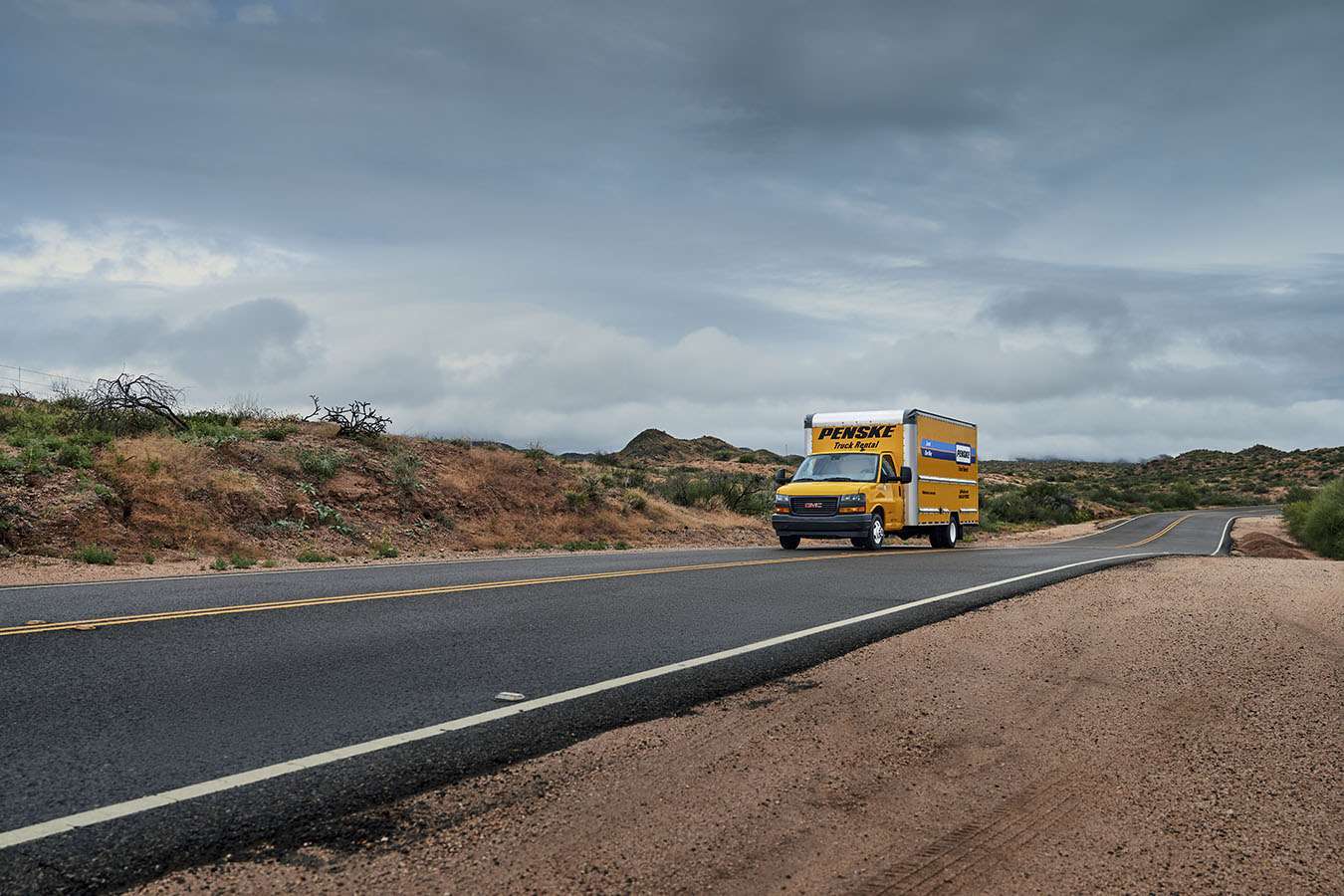
Freight demand rarely stays the same for long. Seasonal peaks, new business, economic swings and unexpected disruptions can all change how much capacity a fleet needs and how quickly it needs it. At the same time, purchasing equipment is a long-term decision and it can be complicated by factors that are outside of a fleet’s control, including the economy, equipment costs and driver availability.
As a result, companies are increasingly focused on the areas they can control, including available capacity, utilization and flexibility. Having access to the right equipment at the right time is a big part of that strategy and gives fleets the flexibility to adjust capacity quickly without long-term financial commitments.
Add Capacity When You Need It
One of the biggest challenges fleets face is balancing capacity. Too much equipment leads to underutilized assets, higher ownership costs and equipment sitting idle. Even if trucks aren’t moving, they still carry costs, including payments, insurance, depreciation and maintenance. Yet, not having enough equipment can lead to missed loads, strained customer relationships and lost revenue.
Rental trucks and trailers allow fleets to add capacity when demand increases and return it when demand slows. This allows companies to align equipment with real-time business needs instead of trying to predict demand months or years in advance. Rentals can be used to support seasonal peaks, new contracts, temporary projects, unexpected volume increases or replacement vehicles when owned or leased equipment is down.
By using rental equipment to handle fluctuations in demand, fleets can improve utilization across their core fleet and avoid investing capital in equipment that may only be needed temporarily.
Shorten the Timeline for Capacity Decisions
Market conditions change quickly, but long equipment procurement cycles can make it difficult for fleets to react. Ordering new equipment often requires long lead times, and purchasing equipment is a long-term commitment that may not match short-term needs.
Rental trucks and trailers change the conversation around capacity decisions. Equipment can be rented for days, weeks or months, which means that if business needs change, fleets can adjust quickly without being locked into long-term ownership or lease commitments. If a short-term need turns into a long-term opportunity, rental-to-lease options allow fleets to transition to a longer-term solution without disrupting operations.
This flexibility helps fleets reduce the risk of overcommitting to equipment during uncertain market conditions.
Use the Right Equipment for the Job
Equipment needs can change as customer expectations, delivery routes and freight profiles change. Rentals allow fleets to choose the right truck or trailer for a specific application without committing to that equipment long term.
For example, fleets can rent different vehicle classes, trailer types or specialized equipment to support a new customer, test a new lane, handle heavier or lighter loads, or support final-mile delivery. This flexibility allows fleets to make more informed long-term equipment decisions by testing equipment in real-world conditions before making a larger commitment.
Reduce Risk and Protect Capital
Purchasing equipment requires significant up-front capital investment and long depreciation cycles. Rentals provide access to late-model equipment without tying up capital, allowing businesses to preserve cash. Rentals can also serve as a low-risk way to test new technologies, such as alternative fuels or electric vehicles, before making larger investments.
Penske rental equipment is maintained to perform, so you can focus on your business rather than worry about unexpected issues. In the unlikely event of a breakdown, roadside support and replacement vehicles help keep freight moving.
Add Storage Without Adding Warehouse Space
Warehouse space is not always available when and where it is needed, and building or leasing additional space is a long-term commitment that may not make sense for short-term or seasonal needs. Rental trailers can provide a flexible storage solution that can be positioned at a facility, job site or distribution center and used for surplus inventory, seasonal products or temporary overflow. Using trailers for storage allows companies to expand capacity quickly without investing in additional warehouse space, while also keeping inventory close and accessible.
Use Rentals as a Planned Part of a Broader Fleet Strategy
Rental trucks and trailers give fleets the ability to add capacity, respond quickly to changing demand, use the right equipment for each job and avoid long-term commitments that don’t match business needs. When used as part of a broader fleet strategy, which may include leasing, owned equipment, and logistics support, rental helps fleets improve utilization, control costs, and operate more flexibly.
Penske supports that flexibility with one of the newest rental fleets in the industry, with equipment available for daily, weekly or monthly use. Penske customers also receive personalized support from Penske associates and access to 24/7 roadside assistance and replacement vehicles, if needed. Penske’s Fleet Insight™ offers 24/7 access to your rental invoices, reservations and unit locations. Additional features of this free and secure website and app include access to key metrics to maximize fleet uptime, and distance and hours reporting to ensure precise billing. Having granular level visibility and support helps fleets make informed decisions, improve utilization and gain even more control over their fleet operations.
This article is part of Penske’s “Control What You Can Control” series, which explores how leasing, rental, used trucks and logistics solutions help fleets gain more control over costs, capacity, risk and performance. Read the other articles in the series here: