
Managing Supply Chain Disruptions: How Rentals Can Help
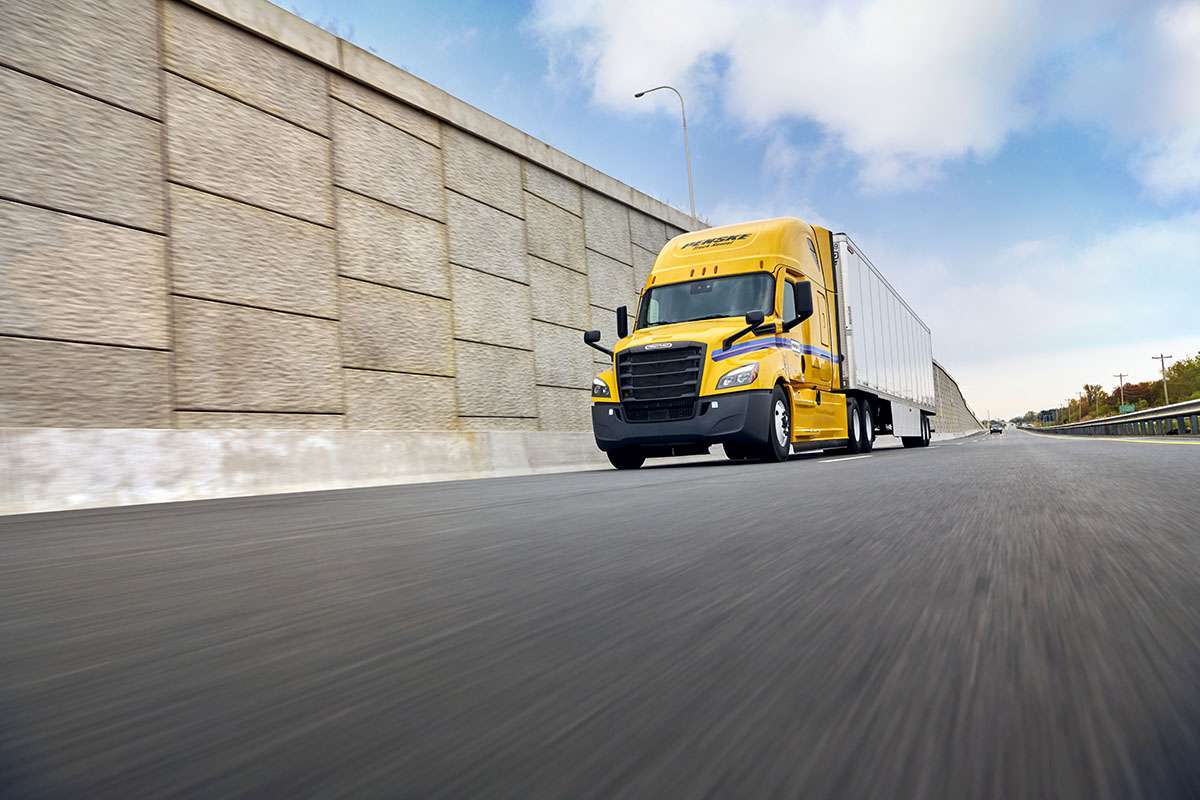
Supply chain disruptions rarely give fleets much notice. When equipment goes down, freight shifts or volume surges, fleets may need additional capacity immediately. Renting allows fleets to keep freight moving while they determine what their longer-term equipment needs will be, and equipment can be returned once the disruption has been resolved.
In the 2027 Third-Party Logistics Study, shippers and logistics providers both cited transportation capacity disruptions as the top supply chain risk. Treating rental capacity as part of a contingency plan rather than a last-minute response can help fleets respond when new risks emerge.
Know Where Capacity Gaps Could Develop
Supply chain disruptions rarely affect only one part of an operation. A transportation delay can cause freight to arrive later than planned and create a surge when shipments resume. A truck waiting for a repair can reduce available capacity on a critical lane. Other situations, such as severe weather, can disrupt fleet distribution and leave equipment in locations that no longer align with customer demand. All of these can create the need for adding capacity in a specific market or transportation lane.
Fleets can review seasonal demand, customer requirements, maintenance schedules, equipment utilization and historically tight operating periods to identify where temporary trucks or trailers would be most useful. Determining which equipment types are most critical ahead of time also means the response doesn’t begin with deciding what kind of vehicle is needed.
Plan Backup Capacity Before the Market Tightens
Rental equipment is most valuable when access to it has been arranged before it is needed. The 2026 National Private Truck Council (NPTC) Benchmarking Survey found that private fleets commonly use rental equipment to test market conditions or address seasonal, temporary and uncertain growth before deciding whether to lease or buy equipment. The same approach applies to disruption planning.
Fleets can establish rental relationships ahead of peak periods, identify the locations where additional capacity would be most useful and determine the types and quantities of equipment they could need. Planning ahead matters most during widespread disruptions. When multiple fleets experience the same problem at the same time, demand for available equipment can rise quickly, and having contracts in place ahead of time can save time, so fleets can get additional capacity in place right away.
Bridge Equipment Gaps Without a Permanent Commitment
Not all capacity shortages require a permanent addition to the fleet. Rental equipment can be deployed for days, weeks or months and returned when it is no longer needed. That flexibility matters because too little equipment can lead to missed loads, late deliveries and lost revenue, while too much can create underutilized assets that continue generating costs even when they are not moving freight.
Rental equipment can be a useful capacity management tool for fleets. The 2026 NPTC Benchmarking Survey found that fleets have increased the scale of their rentals.
The average heavy-duty rental commitment doubled to 24 units from 12 units, and they represented 9.4% of the acquiring fleet, up from 7% the previous year.
Adapt the Equipment Mix When Freight Changes
Disruptions can change not only how much equipment a fleet needs but also where it is needed and what type is required.
Rental capacity can help fleets rebalance geographically or temporarily change the equipment mix without restructuring the permanent fleet, whether that means sourcing equipment closer to where freight has shifted or adding a different vehicle class for temporary needs.
Rental fleets also include light- and medium-duty vehicles that can be operated without a commercial driver’s license, which can widen the pool of available drivers when a short-term surge must be covered quickly.
Add Temporary Storage When Inventory Backs Up
Transportation disruptions can become storage problems. Inventory may arrive before warehouse space is available, product may need to be held while outbound transportation is delayed, and a seasonal surge or sourcing change can increase inventory faster than a facility can absorb it.
Rental trailers can provide temporary on-site storage without requiring a company to build or lease permanent warehouse space. They can also be pre-positioned ahead of an anticipated surge or used to support drop-and-hook operations, which reduces the time trucks and drivers spend waiting at a dock when volumes increase.
Streamline Back-Office Management
Adding rental equipment addresses a capacity problem, but those temporary units still need to be managed as part of the overall fleet. Fleet managers need to know where the equipment is, how it is being utilized, which customers or routes it supports and if it is still needed. That becomes especially important during a disruption, when freight patterns and operating plans can change quickly.
Keeping rental units visible alongside owned and leased equipment gives managers a clearer picture of the capacity available across the fleet and can help them decide where equipment should be deployed next.
How Penske Truck Rental Supports Capacity Continuity
A rental strategy depends on more than finding an available truck. Fleets also need dependable equipment, geographic coverage, maintenance support and visibility. Benefits of renting from Penske include:
Broad equipment availability:
Penske offers commercial trucks and trailers across light-, medium- and heavy-duty applications, giving fleets options for different freight and operating requirements.
Flexible rental terms:
Equipment can be rented for daily, weekly or monthly periods, allowing companies to align commitments with the duration of their capacity needs.
Maintenance and roadside support:
Penske maintains its rental equipment and provides 24/7 roadside assistance, supported by a network of more than 900 maintenance facilities and more than 10,000 technicians.
Geographic coverage:
Penske’s commercial rental network can help fleets source equipment in different markets when freight or capacity needs shift geographically.
Fleet visibility:
Fleet Insight™ allows customers to manage reservations, rental activity and connected vehicle location alongside other Penske fleet information.
Learn More
Read more on how to manage supply chain disruptions: