
Checklist for the First-Time Commercial Truck Renter
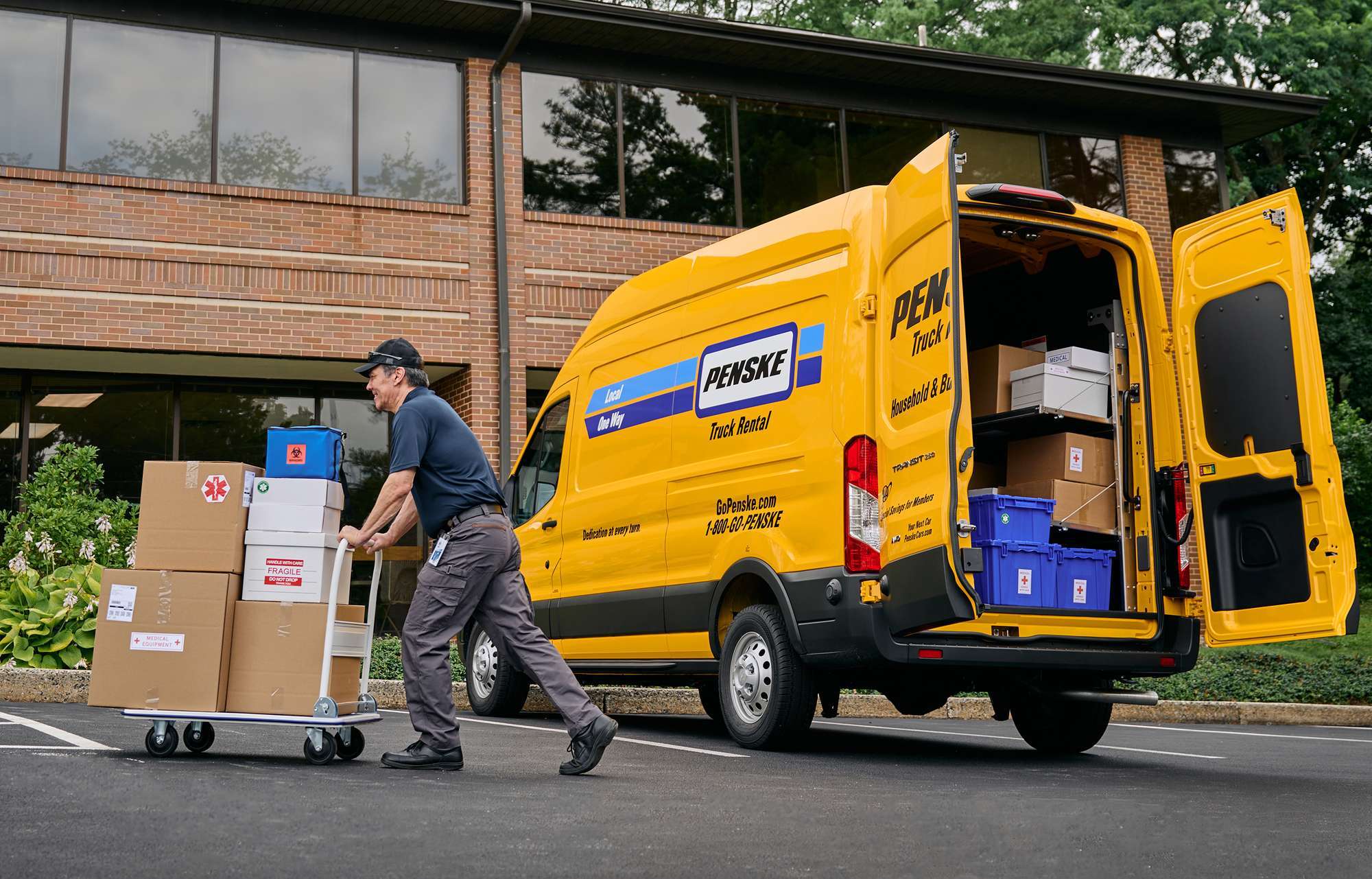
As a business owner, you’ve celebrated plenty of firsts, from designing your first product to signing your first customer. Now, as you plan your growth strategy over the next year, you’ll experience another milestone: renting your first commercial truck.
Penske is here to help.
First time renting a truck for your business? Here’s what to know
This first-time commercial renter’s guide explores everything you need to know to make your first rental a success.
Step 1: Know Your Motivation
The rental process begins long before you speak with a rental associate. The first step is defining why you need rental vehicles. Business owners who rent from Penske often tell us they choose rentals because:
They want to test before they buy.
Rentals offer the opportunity to try different sizes and models of trucks before making a long-term financial commitment.
They took on a new contract or special project.
An art museum launching a new exhibit or a pharmaceutical company shipping medications for a new clinical trial have something in common: they need reliable transportation. Fast.
They’re in peak season.
Take farming as an example. Harvest season requires moving crops from the field to cold storage in a three-week window. Rentals make it affordable to do so without the long-term commitment of maintenance and repairs.
Trucks in their primary fleet suffered unexpected breakdowns.
High-quality rentals can fill in the short-term gap.
They’re outgrowing their current fleet.
More customers mean more deliveries. And more deliveries mean more trucks.
Step 2: Know Your Needs
Once you understand your motivation, it’s time to find the right truck. With rentals, size matters. A delivery van with shelves may be perfect for a flower shop with smaller packages and multiple delivery stops. For farmers who need to haul hay and other large items, a flatbed truck might be more suitable.
Unsure which one is right for you? This guide to choosing the right size truck will help.
Yet size isn’t the only consideration. So are the features on a truck. One key many first-timers overlook: a rental truck with a liftgate. If your business doesn’t have a loading dock, then a liftgate is essential for getting heavy pallets inside and outside the truck. And of course, if you haul temperature-sensitive goods, you’ll need refrigerated trucks. Here are other essential commercial rental truck features worth reviewing.
Your route is also a key factor. If your rental truck will be traveling city streets and making multiple stops, then a cargo van or light-duty truck may be smart options. Riding over the long haul? Medium-duty trucks or heavy-duty tractors might fit the bill.
Finally, think about how long you’ll need to use the truck. This will help you determine your best short-term and long-term rental options.
Step 3: Know the Requirements
Depending on the type of truck you rent and how you use it, you may need to get some paperwork in order.
First, everyone who drives your rental must have a valid driver’s license. If you’re renting a light-duty truck or cargo van, a standard driver’s license (Class D) is fine. But for certain medium-duty trucks and heavy-duty tractors, you’ll need a commercial driver’s license (CDL). What’s the difference? Find out in this guide to CDL vs. non-CDL trucks.
Next, you’ll need to meet regulations. Explore the rules within any state you’re traveling so you know whether you need to apply for any permits. If you’re crossing state lines, you may need to obtain a DOT number or a motor carrier number. Brush up on DOT and FMCSA requirements for interstate rentals before you rent so you know what to expect.
A final consideration is insurance. For commercial rentals from Penske, you are responsible for insurance coverage, fuel and any damage beyond wear and tear. You can provide your own insurance or take ours. Explore our coverage options to learn more.
Step 4: Choose the Right Truck Rental Company
Who you rent your commercial trucks from matters just as much as the vehicles themselves. When you rent from Penske, you can choose vehicles from one of the best-maintained fleets in the industry.
Every rental comes with 24/7 Roadside Assistance, supported by 980+ Penske facilities and an extended network of more than 12,000 qualified service vendors. Our team handles repair, towing and load transfer in roadside emergencies, giving you and your drivers peace of mind.
Regularly scheduled preventive maintenance, repairs and tire replacement come with your commercial rental, too. And renting from Penske gives you access to tools that keep you compliant and connected, including:
Penske Driver™ App – This free app lets drivers log Hours of Service (HOS) requirements to comply with the ELD mandate. Drivers can also submit Roadside Assistance requests, send fuel receipts digitally, and find fueling locations on their routes.
Fleet Insight™ – A secure, free website and app, Fleet Insight lets fleet managers view all rental invoices, reservations and unit locations.
Step 5: Get To Know Your New Vehicles
Once you choose the right rental trucks, it’s time to familiarize yourself with them.
- Walk through the controls and features before you drive.
- Inspect your trucks thoroughly before and after each trip to ensure they’re ready for the next run.
- Review your rental agreement carefully so you understand your responsibilities.
- Fuel up your truck before you return it to avoid extra charges.
Make Your First Commercial Rental Your Best Rental
Your business is ready to grow. Now it’s time to secure the trucks you need to make it happen. Browse our selection of rentals and reserve a truck today.
Common Questions
How do I know if renting is better than buying for my business?
Renting is often the smarter choice if you have seasonal delivery needs or you’re testing new routes or markets. Choosing to rent instead of buy avoids the hidden costs of truck ownership, including ongoing maintenance. With a rental, you can scale capacity up and down as your needs change.
What size commercial truck should I rent for delivery?
The answer depends on how much weight you’re carrying, how much space you need, and how you load and unload. For frequent city shops and smaller parcels, cargo vans and light-duty trucks offer fuel efficiency and flexibility. If you’re transporting heavy pallets or making dock-to-dock transfers, medium-duty or larger trucks might be a better fit.
How can I protect my cargo in a commercial rental truck?
Proper loading and cargo securement are critical. Load bars and interior tie-downs inside the cargo bay can prevent shifting. Distribute weight evenly and secure heavier items so they don’t move when you have to make hard turns or hit the brakes. Check your cargo during pre- and post-trip inspections to make sure it’s as secure as possible.