
How To Drive a Truck Safely in Winter: Ultimate Guide
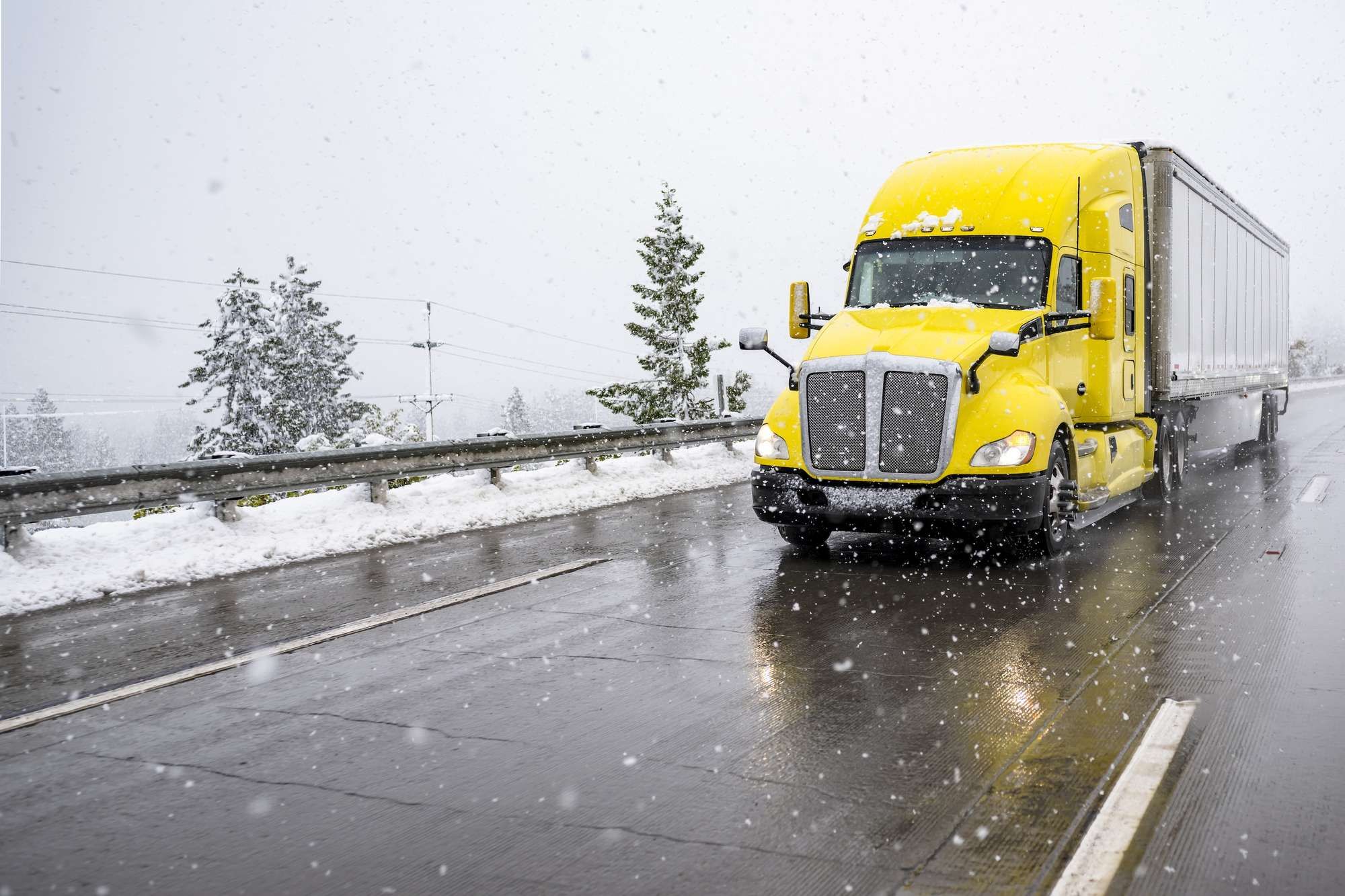
Business doesn’t stop for snow, sleet, frigid temperatures or other types of harsh winter weather. Food deliveries need to reach retail outlets and restaurants. Furniture must arrive on schedule to complete hotel renovations. Lighting and sound equipment has to make it to the event center in time for winter weddings and celebrations.
But if you’ve never driven a commercial rental truck in winter weather, doing so can be intimidating. Let our team at Penske remove the guesswork and keep you safe. In this article, we’ll answer the questions we hear most often from our customers and give you tips you can use to reach your destination safely.
What Safety Gear Should I Carry on my Rental Truck in Winter?
The basics include a shovel, ice scraper and snow brush. It’s also wise to pack an emergency kit filled with items that can help you in the event you get stranded. Include sand or kitty litter, a flashlight, thermal blankets, non-perishable food and water.
Carrying items like flares, emergency triangles and reflective vests can alert other drivers to your vehicle in case of a breakdown. Keep a cellphone charger with you so you can stay connected. Carry tire chains if required by state law and know how to put them on if needed.
What Should I Include in My Pre-Trip Inspection in Winter?
Your pre-trip inspection should include checking tire pressure and tread depth. Every drop in temperature can decrease your truck’s tire pressure by 1 pound per square inch. Below-freezing temps also reduce the cranking power and capacity of your truck’s battery, so make sure it’s fully charged before hitting the highway.
Top off your windshield washer fluid before you go, and test your windshield wipers and defroster, too. Doing so will ensure you have adequate visibility on your route.
What Winter Weather Risks Cause the Biggest Hazards for Rental Trucks?
Slippery roads and limited visibility are two of the many challenges commercial rental drivers face in winter. Keep an eye out for:
Ice and snow:
Most common in northern areas, it make roads slippery. Decrease your speed by half on snow- or slush-covered roads, and slow down to a crawl on icy roads. Give snow plows enough room to do their work.
Frozen bridges:
Overpasses freeze faster than roadways because cold air surrounds bridges from above and below. Slow down before you cross a bridge, as sudden changes in speeds on ice can be dangerous.
Black ice and freezing rain:
Most common at night and early in the morning, black ice is a sneaky hazard. It looks like rain, but it can cause your truck to skid out of control unexpectedly. It can also occur in small patches under shaded areas such as bridges or trees.
Dense fog:
Melting snow and ice can cause thick fog that limits your visibility. Slow down, use your low beams and leave plenty of distance between you and other vehicles.
Sun glare:
Even when the weather is nice, a low sun angle can make it hard to see, especially in snow-covered areas. Always wear sunglasses and slow down if you have trouble seeing through the glare.
What Are the Top Winter Driving Risks by Region?
Winter looks and feels different in every part of the nation. Here are some of the most unique hazards to watch for in each area.
Snow squalls in the Northeast
These small, intense bouts of snow often appear with little to no warning and create “whiteout” conditions, obscuring your view and causing mayhem. If you encounter one while driving, slow down (but don’t slam on the brakes), turn on your low beams, and pull over safely to the side of the road.
“Ground blizzards” in the Midwest
Ground blizzards are highly deceptive because they occur when it’s not snowing. The cause: high winds and drifting snow. They’re more prevalent in the Midwest, where flat terrain, wide-open roads, and light, dry snow increase the risks of strong wind gusts. Drivers renting medium-duty box trucks or heavy-duty tractors with semi-trailers should watch for high-wind warnings and understand how wind can affect stability.
Ice storms in the Southeast
Snow may be uncommon in the Southeast, but ice is not, and even a tiny amount can cause major problems. Few states in the South have large fleets of snow removal equipment or salt trucks, which means treacherous conditions may last until temperatures rise, especially on side streets and back roads. Drive gently and slowly to maintain traction and watch for other drivers who may not be experienced with winter weather hazards. Stick with main roads, which are more likely to be treated than back roads and side streets.
Avalanches on the West Coast
The West Coast is filled with rapid elevation changes and steep mountain passes, some of which are prone to avalanches. Pay attention to avalanche warnings and do not drive around barriers. Also, stay abreast of snow chain laws, which vary by state. Some mandate them when roads are covered in snow and ice. Others mandate that drivers must carry chains for the full winter season.
Safe Winter Driving Tips for Every Region
No matter the region or weather, practicing defensive driving is the best way to stay safe in a commercial rental truck during the winter months. Use these tips to operate your vehicle safely in changing road conditions.
Check the weather frequently:
Scan the local forecast and traffic reports before you begin your route, then recheck for weather updates on your route to monitor sudden storms.
Clean off your truck:
Ice and snow can fly from your truck in transit, creating a dangerous situation for other drivers. Avoid this hazard by clearing your truck lights, windows, hood and roof of snow and ice before every trip.
Top off your tank:
Keep at least half a tank of gas in your commercial rental truck to prevent fuel lines from freezing.
Leave early:
Expect longer travel times in any inclement weather. Leaving early will help you avoid speeding, a major cause of winter accidents.
Slow down and increase your following distance:
Large rental trucks need up to two football fields to stop safely. Drive slowly and maintain 1 second of following distance for every 10 feet of vehicle length. Double your following distance in bad weather. And always wear your seatbelt.
Stay calm and know how to react:
If your truck loses traction on ice or snow, steer into the skid, and do not slam on the brakes. Do not use cruise control or engine brakes (“Jake” brakes) on slick or snow-covered roadways.
When in doubt, pull over:
Know when conditions are too dangerous to drive. Pull over and wait for the storm to pass. Don’t try to drive through snow squalls or whiteout conditions.
How Should I Respond if My Rental Truck Gets Stuck in the Snow?
Be prepared to respond quickly and stay safe. If your tires get stuck, engage the clutch, press the accelerator gently, and rock the truck and tires until they can drive away. Kitty litter and sand can also provide extra traction.
Should you get stranded in winter weather, stay in the vehicle as long as possible to stay warm and dry. Keep the exhaust pipe clear of snow to avoid carbon monoxide from backing up into the cab. Communicate regularly with dispatch and emergency services.
In case of a breakdown, Penske offers 24/7 roadside assistance for commercial rental vehicles, accessible through the Penske Driver™ app.
Don’t Let Winter Weather Stop Your Business Cold
Keeping your business running in the winter can be challenging, but the right commercial rental truck partner makes it easier. Renting from Penske gives you access to one of the youngest and best-maintained fleets in the industry, with trucks built to handle any type of weather. Our rental associates can also make sure you have all the equipment you need so you can reach your destination safely.
Common Questions
What should I do if my rental truck starts to skid or slide on ice or snow?
Stay calm, ease off the accelerator, and steer gently in the direction you want the truck to go. Avoid slamming on the brakes, which can make the skid worse. Keep your steering smooth and controlled. Once your tires regain traction, gradually slow to a safe speed and reassess the road ahead. If conditions worsen, find a safe location to stop and wait out the storm.
How do I know when it’s unsafe to drive a rental truck in winter weather?
If visibility drops, traction starts to slip, or your truck isn’t driving as you think it should, it’s time to slow down or stop. Pull over if you notice wheel spin, delayed braking or fishtailing. Check weather alerts regularly during your route, and when in doubt, wait it out. Stopping for 30 minutes is safer than pushing through worsening winter weather.
Does Penske offer support if I run into weather-related issues on the road?
Yes. Penske provides 24/7 roadside assistance for commercial rental customers. If you experience a breakdown, you can submit a roadside assistance request and receive updates using the Penske Driver™ app.