
Help Prevent Unexpected Fleet Costs With Rental Trucks and Trailers
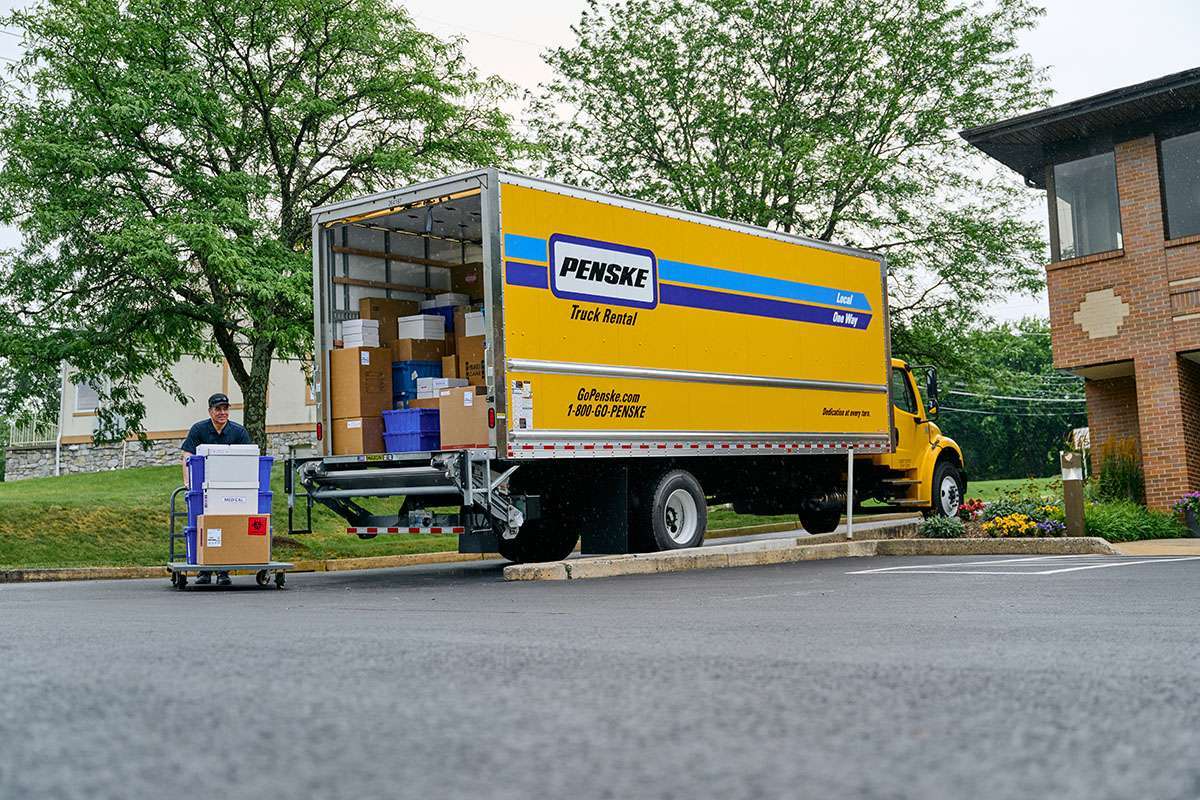
Transportation demand isn’t always predictable. Seasonal peaks, new customers, market shifts and unexpected disruptions can all create short-term capacity needs that are difficult to anticipate. At the same time, maintaining excess equipment year-round can create costs that are easy to overlook.
Flexible capacity helps fleets avoid unnecessary expenses
Many fleets focus on the visible costs of owning or leasing equipment, but the hidden costs associated with underutilized assets can be just as significant. Trucks and trailers, even when they are sitting, require insurance, maintenance, licensing and registration. They also tie up capital that could be invested elsewhere in the business.
Rental trucks and trailers can help fleets avoid these hidden costs by providing capacity exactly when needed, without creating long-term commitments that may not align with actual demand.
The Cost of Equipment That Isn't Moving
Equipment only generates value when it is moving freight. However, fleets often maintain additional capacity, so they are ready for seasonal demand spikes, temporary projects, future growth or time-consuming maintenance.
Idle trucks and trailers continue generating costs even when they are not producing revenue. Industry estimates suggest that the fixed costs of an idle commercial vehicle — insurance, registration, maintenance and depreciation — can run several thousand dollars per unit per year, regardless of utilization. Across a fleet with chronically underused equipment, those costs add up quickly.
Rental units let fleets add capacity only when needed. Instead of carrying excess equipment throughout the year, fleets can align capacity with actual business demand, improving utilization across the core fleet while reducing the cost of assets that may be needed only occasionally.
The Cost of Missed Opportunities
The hidden cost of insufficient capacity can also be measured in revenue that never materializes. When fleets don’t have equipment available, they may be unable to accept additional freight, support a new customer or expand into a new market. Missed opportunities rarely appear on financial statements, but they can limit growth over time.
Rental equipment allows fleets to respond to new business quickly. Instead of waiting months for a procurement cycle to complete or making permanent fleet decisions based on uncertain demand, organizations can evaluate new opportunities while maintaining flexibility.
Protect Service Levels During Disruptions
Unexpected events are part of fleet operations. Vehicles require maintenance, accidents occur and weather can affect equipment availability. When disruptions occur, the hidden costs often include delayed deliveries, reduced driver productivity and customer dissatisfaction.
Rental trucks and trailers allow fleets to maintain service continuity when planned equipment is unavailable, minimizing the operational impact of disruptions. In many cases, protecting a customer relationship has greater long-term value than avoiding a single direct transportation cost.
Match Equipment to the Application
Using equipment that is larger, smaller or differently configured than a job requires creates hidden operating costs over time. Trucks that are oversized for a route increase fuel consumption. Equipment that doesn’t match freight characteristics reduces efficiency and productivity.
Rental fleets offer access to a wide range of vehicle classes and trailer types, allowing companies to select equipment that aligns with specific applications. This can also provide a low-risk way to evaluate different vehicle specifications or technologies before making longer-term fleet commitments.
Expand Storage Without Expanding Facilities
Hidden costs in the supply chain aren’t just limited to transportation equipment. Inventory management can also create challenges when warehouse capacity becomes constrained by seasonal increases, promotional activity or supply chain disruptions.
Building or leasing additional warehouse space requires significant investment and long-term commitments. Rental trailers can provide flexible, on-site storage that helps organizations manage inventory fluctuations without the overhead of permanent space.
Capacity That Aligns With Demand
Rental equipment is most effective when it is part of a broader capacity management strategy. Utilization data, demand pattern analysis and benchmarking tools help fleets make more informed decisions about when to rent, lease, purchase or redeploy equipment — rather than relying on historical habits or reactive responses to immediate pressure.
Many hidden transportation costs stem from mismatches between capacity and demand. Carrying too much equipment increases costs and reduces utilization. Having too few limits on growth disrupts service and forces costly last-minute decisions. That can be especially true in an uncertain operating environment, which makes forecasting capacity needs harder.
Rental trucks and trailers provide a flexible way to align resources with actual business needs, adding capacity when it is required and scaling back when conditions change.
Penske offers one of the largest commercial truck rental fleets in North America and has light-, medium- and heavy-duty trucks as well as dry van, refrigerated and flatbed trailers. Equipment is available for daily, weekly or monthly rental, giving fleets the flexibility to scale operations as business needs evolve.
Learn More
Looking for more information on eliminating hidden costs?
- How Leasing Helps Control Hidden Fleet Costs
- How Logistics Solutions Reveal Supply Chain Cost Gaps
- How the Right Used Truck Strategy Helps Reduce Fleet Costs