
Build a Fleet That Scales Up or Down Based on Demand, Not Predictions
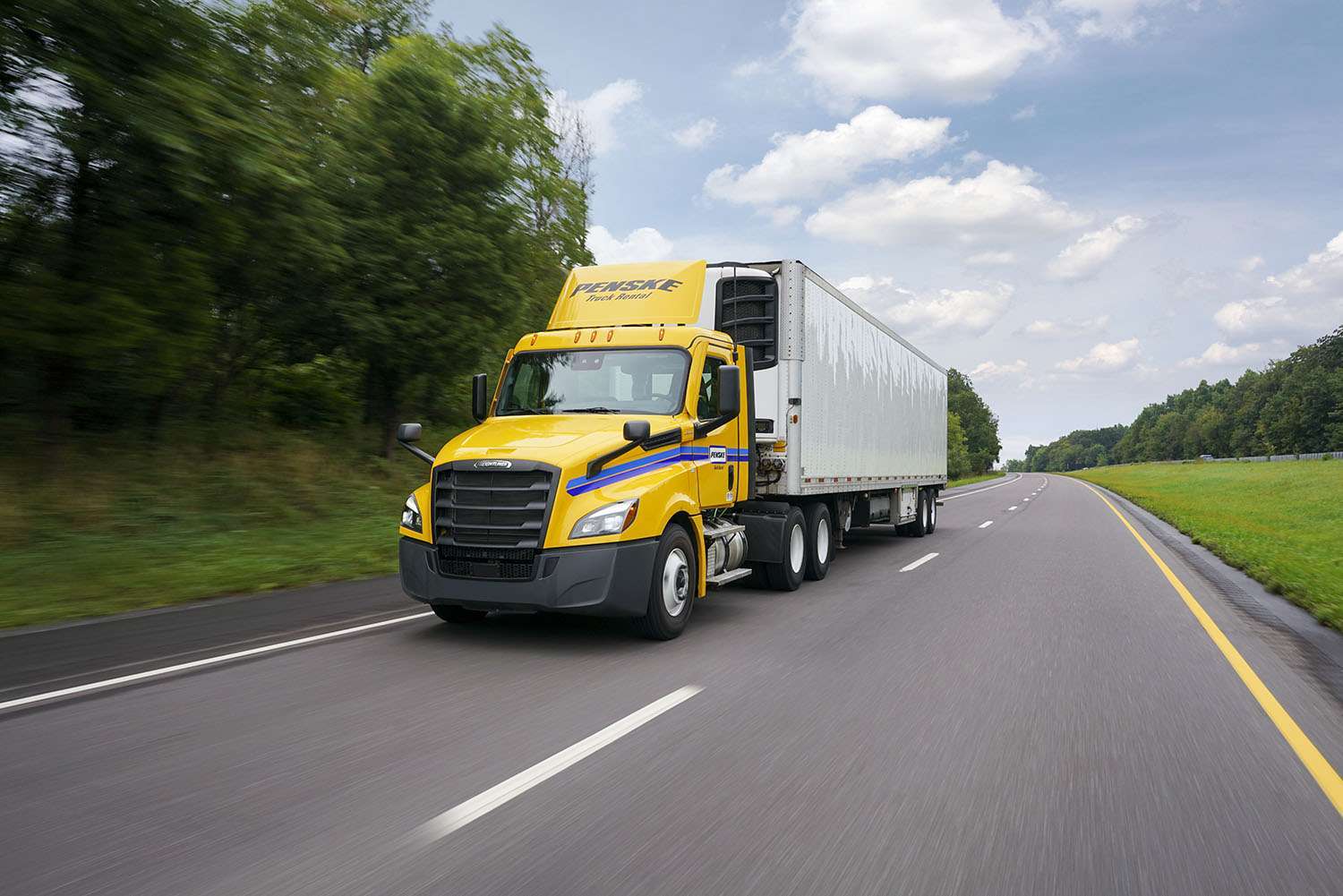
Freight demand can shift dramatically depending on changes to the economy, seasonal shifts, new business opportunities or unexpected events. Rental trucks and trailers provide a flexible way to rightsize capacity in real time, so they can match capacity to needs week to week, month to month, or season to season.
How to rightsize capacity with rental trucks and trailers
Instead of committing to equipment for peak demand that may occur only a few months each year, fleets can add capacity when needed and return it when it’s not, keeping operations aligned with actual demand rather than forecasts.
Add Capacity Only When It’s Needed
One of the most common challenges fleets face is perfectly aligning available capacity with demand. Fleets can end up carrying excess equipment to cover short-term spikes, only to have it sit idle the rest of the year. Equipment only makes money when it is moving. Rental units can address the challenge by allowing fleets to bring in additional trucks or trailers only when they’re needed.
The flexibility can provide capacity during seasonal peaks, temporary projects, when units are down for maintenance or while waiting for new equipment. When demand slows, that equipment can be returned, which helps eliminate the cost of idle assets, including the maintenance and insurance of those assets, and improves overall fleet utilization. By keeping the core fleet smaller and supplementing with rental units as needed, fleets can better align costs with actual usage and reduce financial risk.
Make Faster Capacity Decisions
Traditional equipment decisions can involve long lead times and long-term commitments, making it difficult to respond quickly to changing conditions. With rentals, equipment can often be deployed in days, not months, allowing fleets to react quickly to changes in demand. Short-term commitments also make it easier to adjust as conditions evolve.
Use Rentals as a Strategic Tool
Rentals aren’t just a backup option and can be used as a planned, strategic tool within an overall rightsizing strategy. By using rental to manage demand fluctuations, fleets can maintain a rightsized core fleet, improve utilization across all assets and reduce risk during uncertain market conditions. Rentals also provide a low-risk way to test different vehicle classes and trailer configurations or alternative fuel vehicles.
For many fleets and shippers, rightsizing extends beyond transportation capacity to storage as well. When warehouse space is limited or inventory levels temporarily increase, rental trailers can provide on-site storage at distribution centers or job sites.
Use Data To Make Informed Decisions
Rightsizing is an ongoing process. Tracking utilization and rental patterns over time helps fleets understand whether they are over- or under-resourced. Penske’s Catalyst AI™ can help fleets monitor usage trends, evaluate performance, benchmark against similar operations, and make more informed decisions about when to rent, lease or adjust fleet size.
Penske also offers a Fleet Availability Calculator that can help fleet managers put a revenue figure to uptime improvements. By entering revenue per unit per day, fleet size and annual workdays, the tool shows how each 1% gain in fleet availability increases annual topline revenue. A fleet of 10 trucks generating $1,200 per unit per day and running 261 days a year, for instance, would gain more than $31,000 in annual revenue for every 1% improvement in availability.
Capacity That Matches Demand
Penske can help fleets rightsize with one of the newest and largest commercial truck fleets in the industry. Fleets have access to a wide range of light-, medium- and heavy-duty equipment, including CDL and non-CDL trucks, at more than 2,000 commercial rental facilities for daily, weekly or monthly rentals. Dry van, refrigerated and flatbed trailers are also available.
Looking for more articles on rightsizing?